
Ingredients
The Apothecary Index. Every raw material, catalogued.
Ingredients
The raw materials of perfumery, catalogued one by one: origins, harvests, extractions, and what each material does in a formula.
Start here
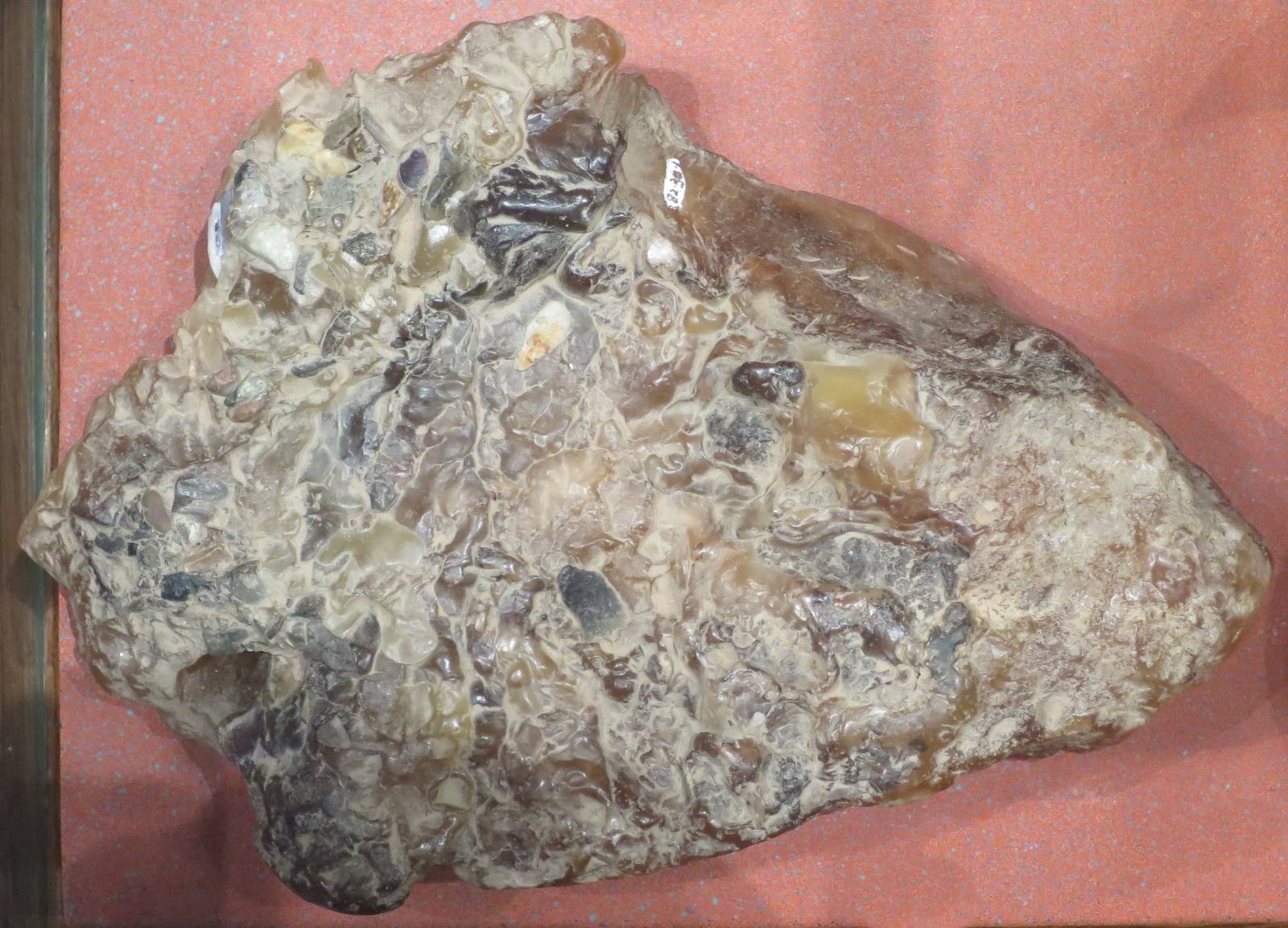
Nº 007, Ambergris: The Floating Fixative
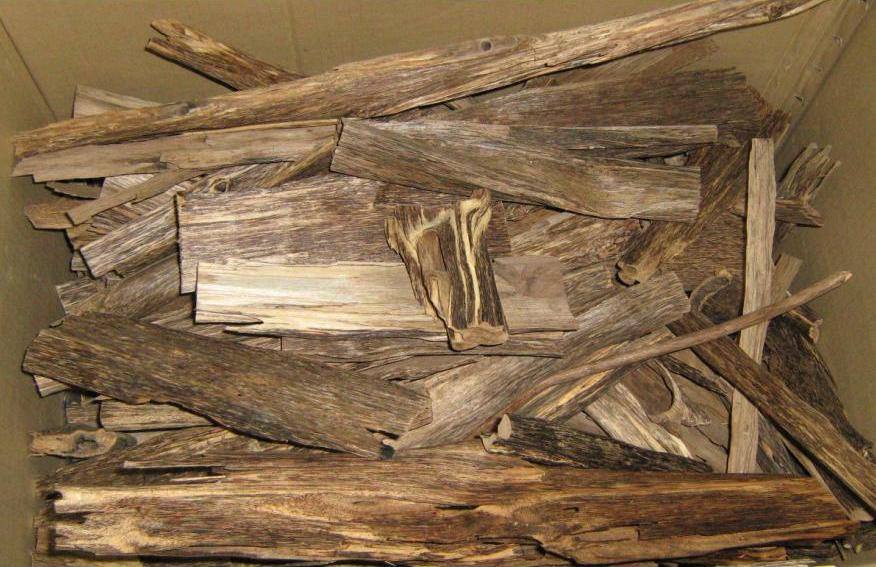
Nº 006, Oud: The Wood That Remembers
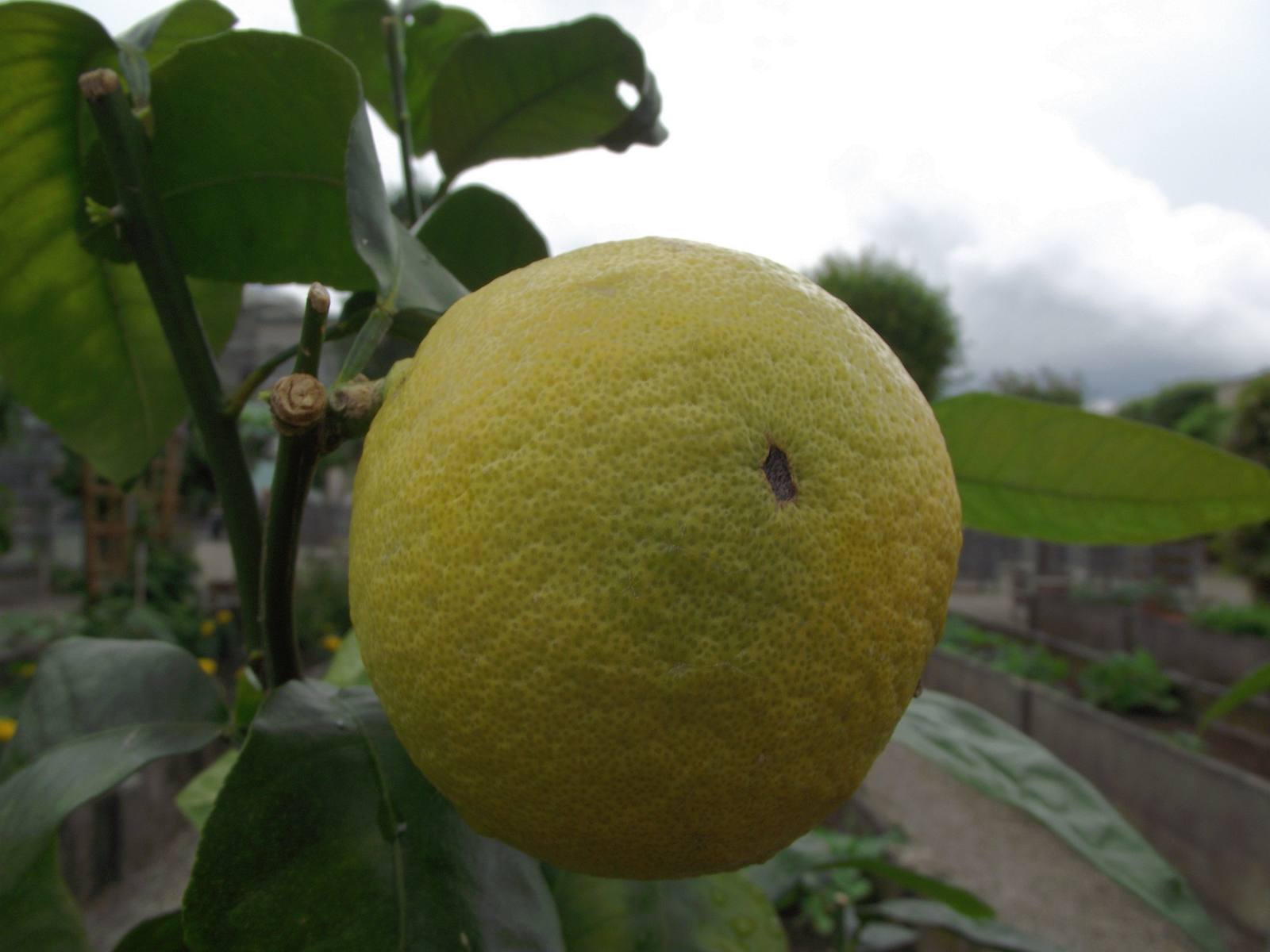
Nº 005, Bergamot: The Top Note of Calabria
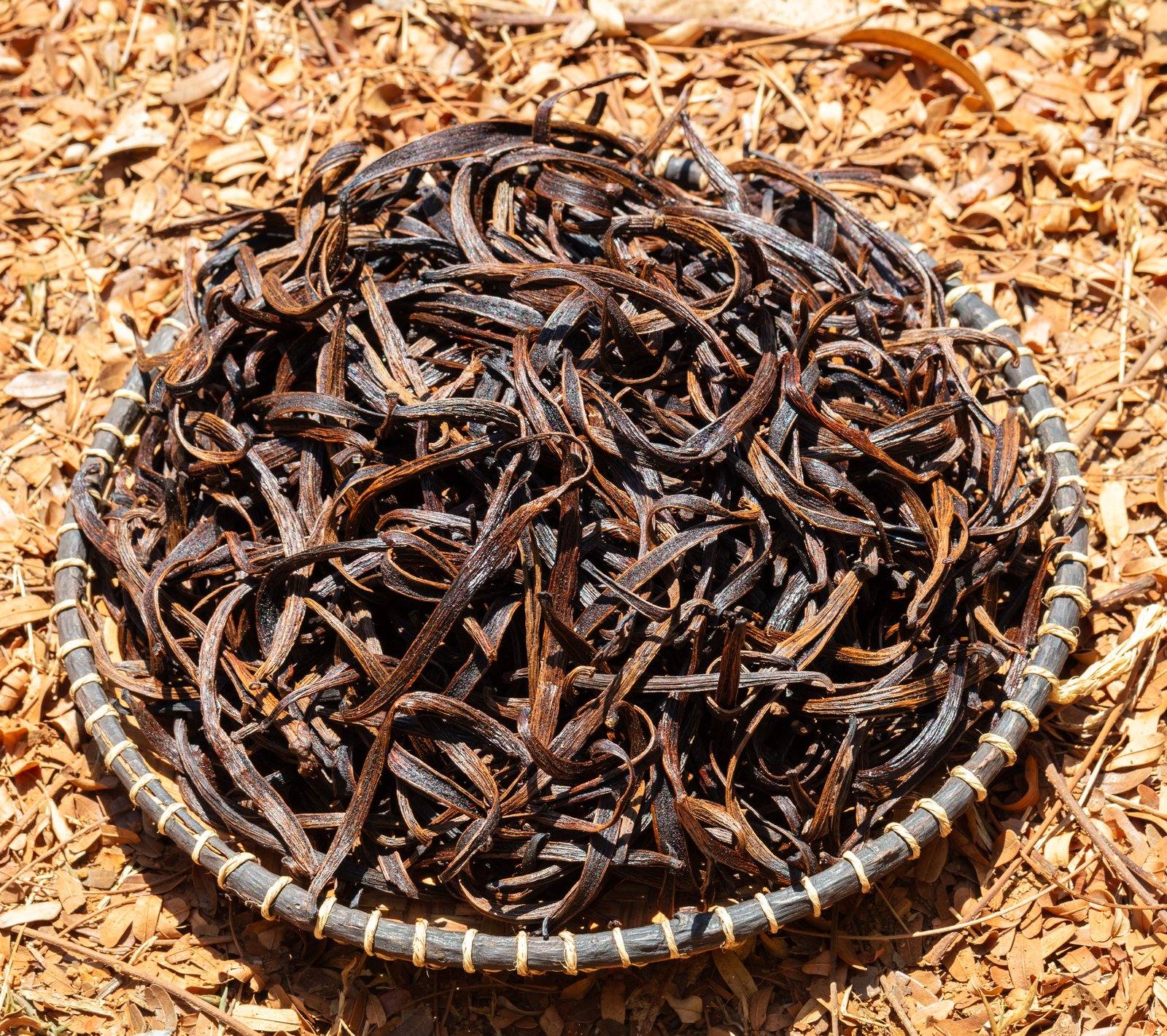
Nº 008, Vanilla Bourbon: Terroir in a Pod
-
Nº 007, Ambergris: The Floating Fixative
Ambergris begins inside the sperm whale and finishes after years at sea; it fixed some of the most famous perfumes ever made, and its legal status depends entirely on where you stand.
-
Nº 006, Oud: The Wood That Remembers
Agarwood forms when a fungus attacks an Aquilaria tree and the tree spends decades fighting back; the resinous result is perfumery's most storied wood, and its trade is now controlled by international treaty.
-
Nº 005, Bergamot: The Top Note of Calabria
Nearly all the world's bergamot oil is pressed from the rind of a bitter citrus in one Italian region, and it has been the opening sentence of perfumery for three hundred years.
-
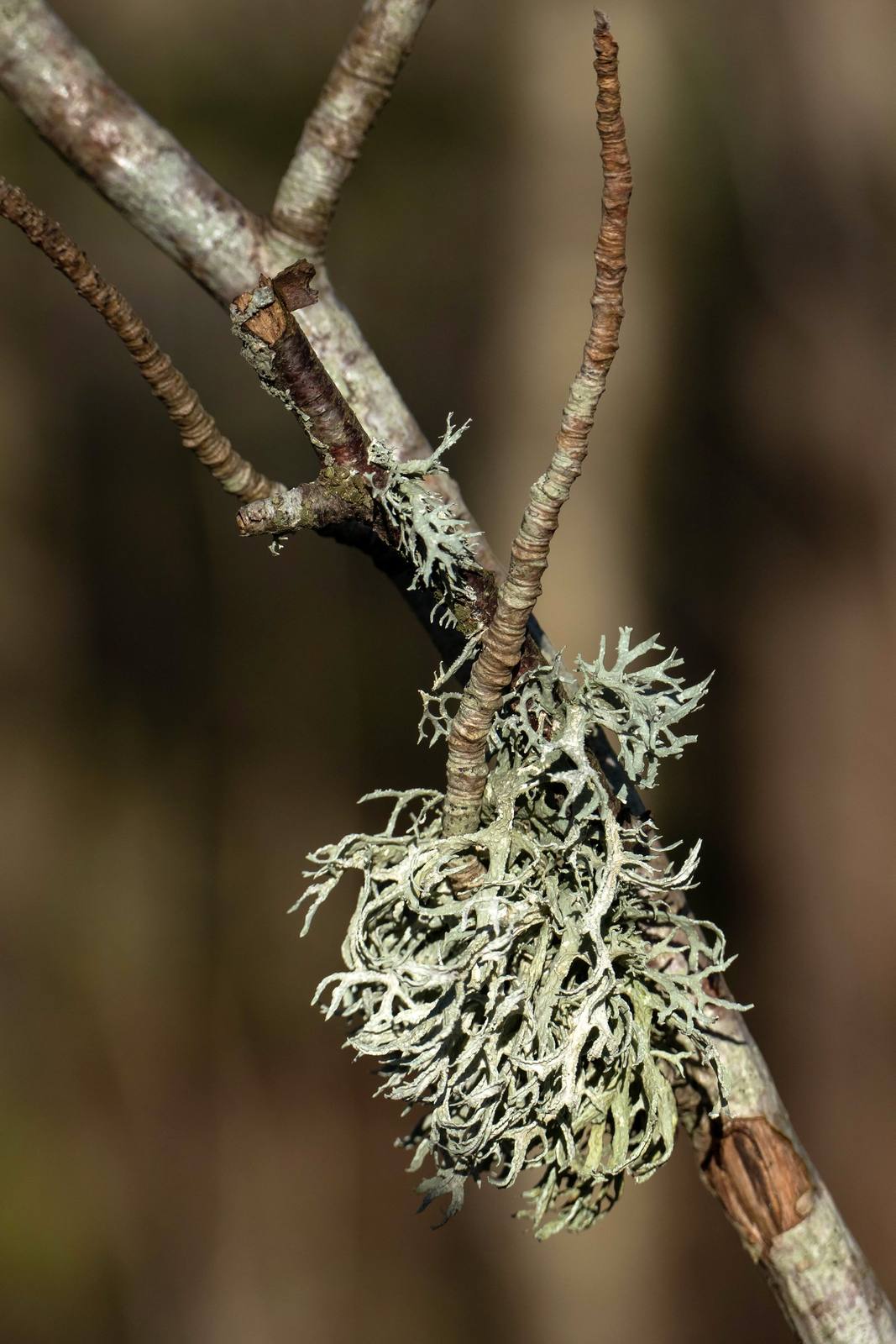
Oakmoss: The Rule That Changed the Chypre
Oakmoss built the chypre family and anchored a century of great perfumes; then regulators identified the molecules that sensitize skin, and perfumery had to rebuild its forests.
-
Nº 008, Vanilla Bourbon: Terroir in a Pod
Real vanilla is the cured pod of an orchid that must be pollinated by hand; the Bourbon vanilla of Madagascar became the world's reference, but it is only one of several truths.
-
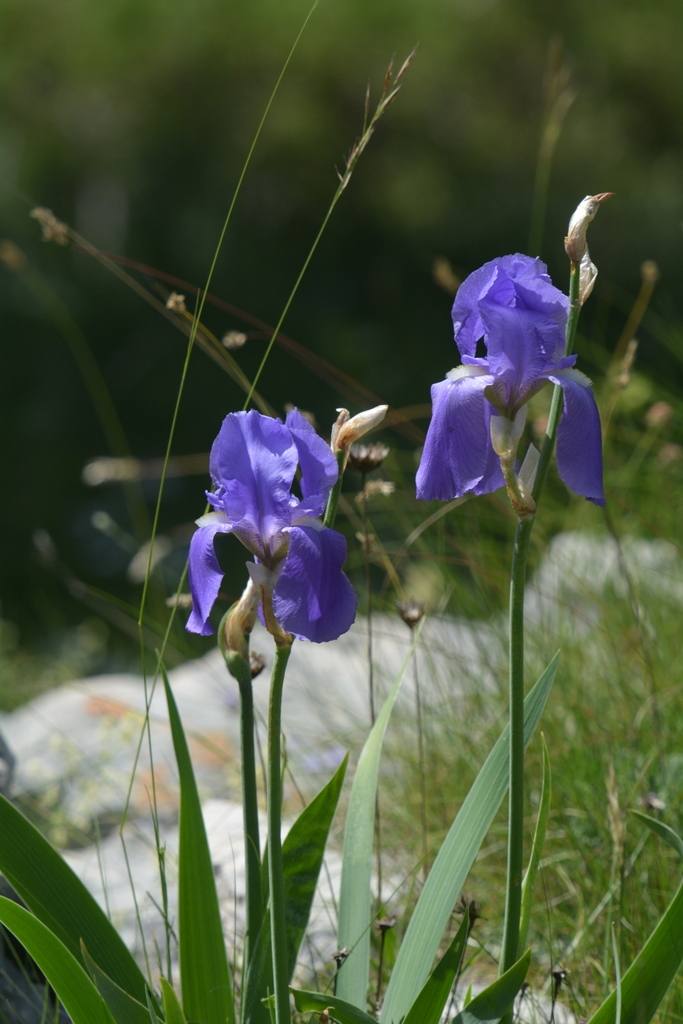
Nº 003, Iris Pallida: The Root Worth Waiting Years For
Orris butter comes not from the iris flower but from the rhizome, and only after years in the ground and years more in the drying shed, while slow chemistry builds the violet note from nothing.
-
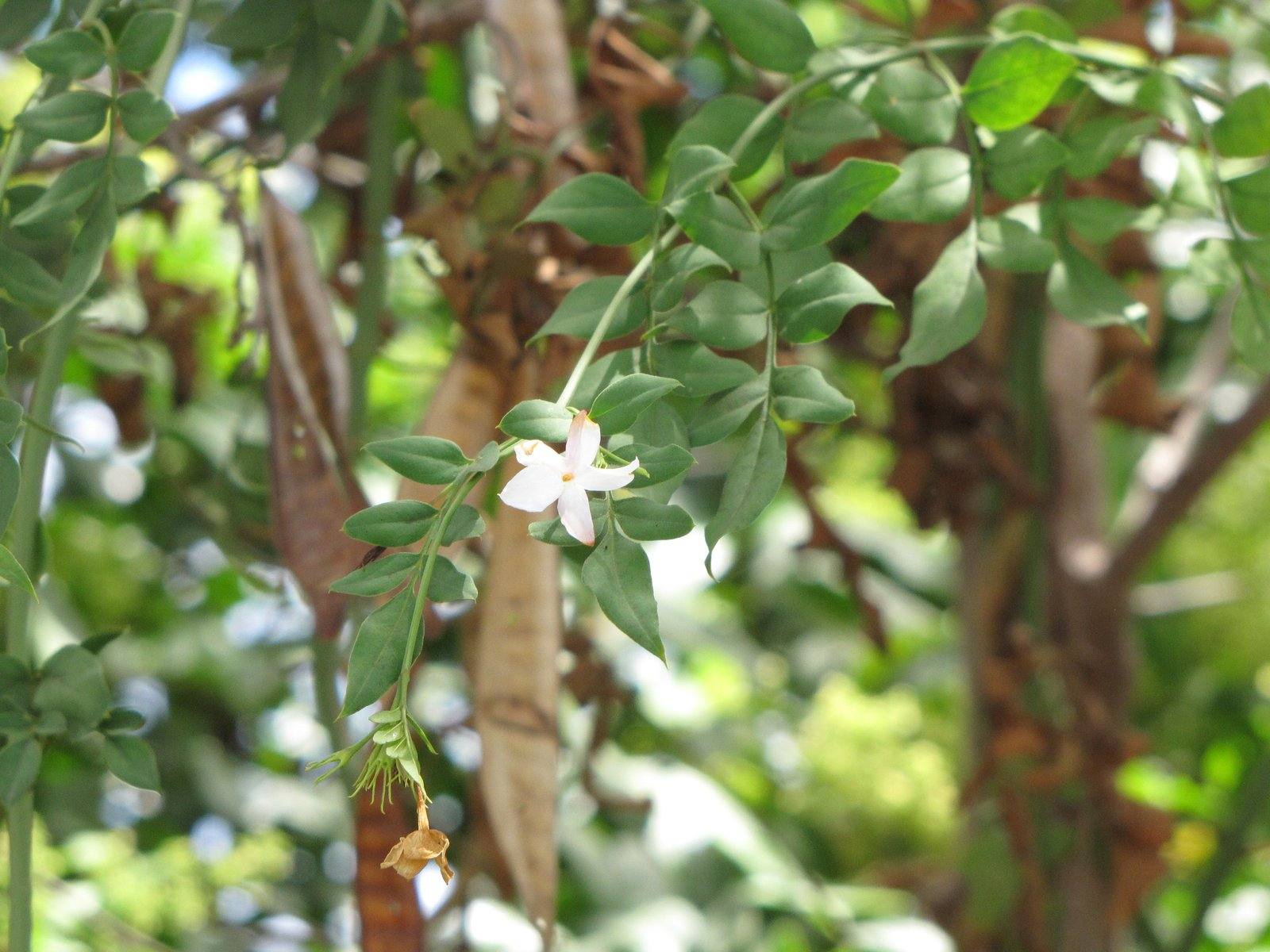
Nº 001, Jasmine de Grasse: The Harvest That Decides a Year
Each summer the fields above Grasse give perfumery a few weeks of white blossoms that must be picked at dawn and extracted the same day, and the character of a fine jasmine absolute depends on all of it.
-
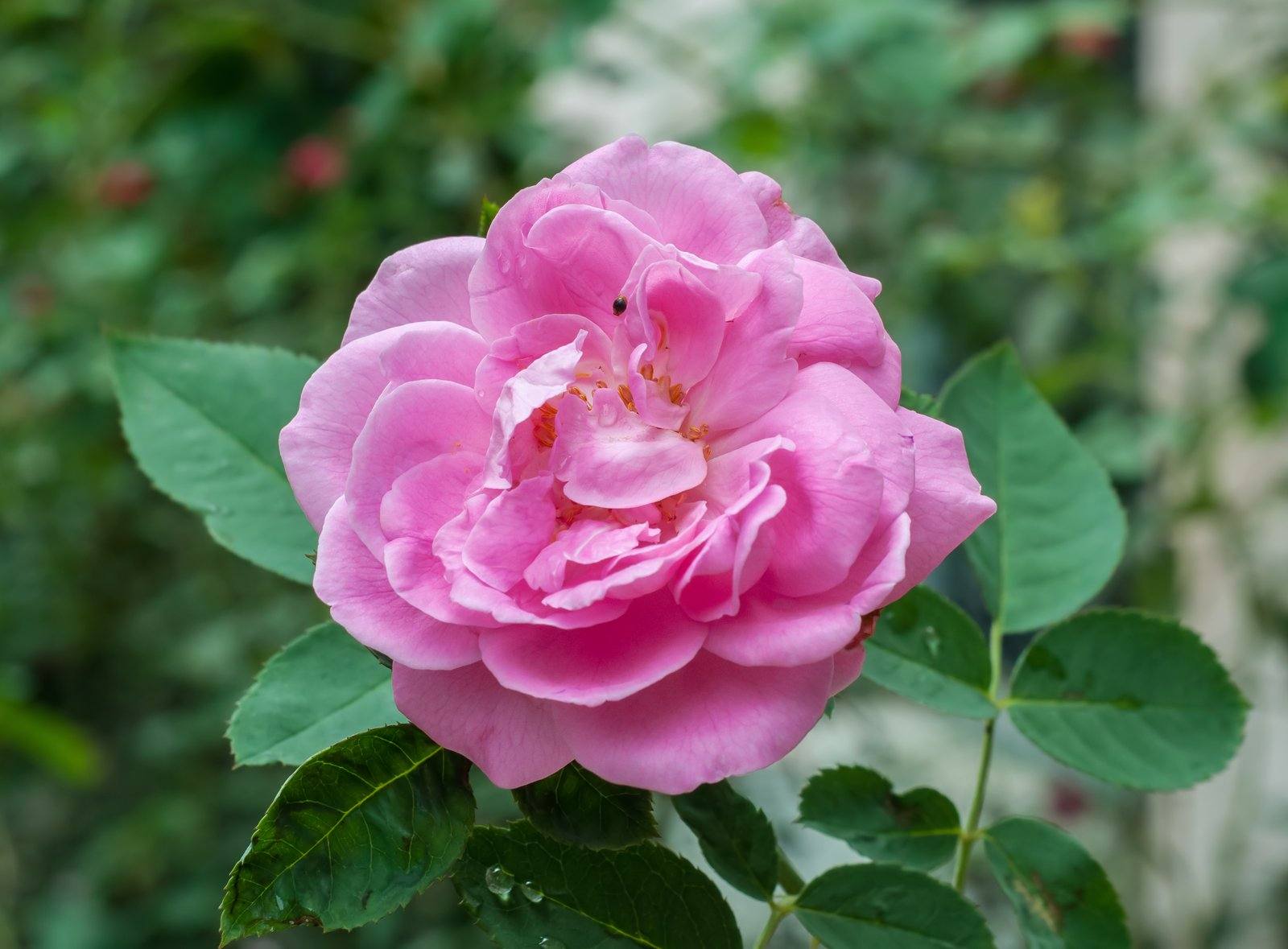
Nº 002, Rose de Mai: Thirty Days of Centifolia
For one month each year, the centifolia roses of Grasse are picked at daybreak and turned into absolute within a day, in a harvest that perfumers describe as a race against the clock.
The Drydown
One letter each week: what mattered in perfumery, and what to smell next.
Free. Unsubscribe anytime.