No other material in the perfumer's organ arrives by accident. Ambergris begins inside a sperm whale, spends years in the open ocean, and reaches land only if currents and luck agree. It fixed some of the most famous perfumes ever composed, and whether a person may legally pick it up off a beach depends entirely on the jurisdiction the beach is in.
Formed around a beak
The Australian Government's marine environment department, summarising the research of the whale scientist Robert Clarke, describes the formation plainly. Sperm whales feed heavily on squid, and the hard beaks cannot be digested. Most are regurgitated. Occasionally they pass into the intestine instead, and there a fatty mass forms around them, building slowly over years. The department is specific about rarity: the substance is found in only about one to five percent of sperm whales and pygmy sperm whales. It is not vomit, whatever the folklore says. It is an intestinal formation, usually released when the whale dies.
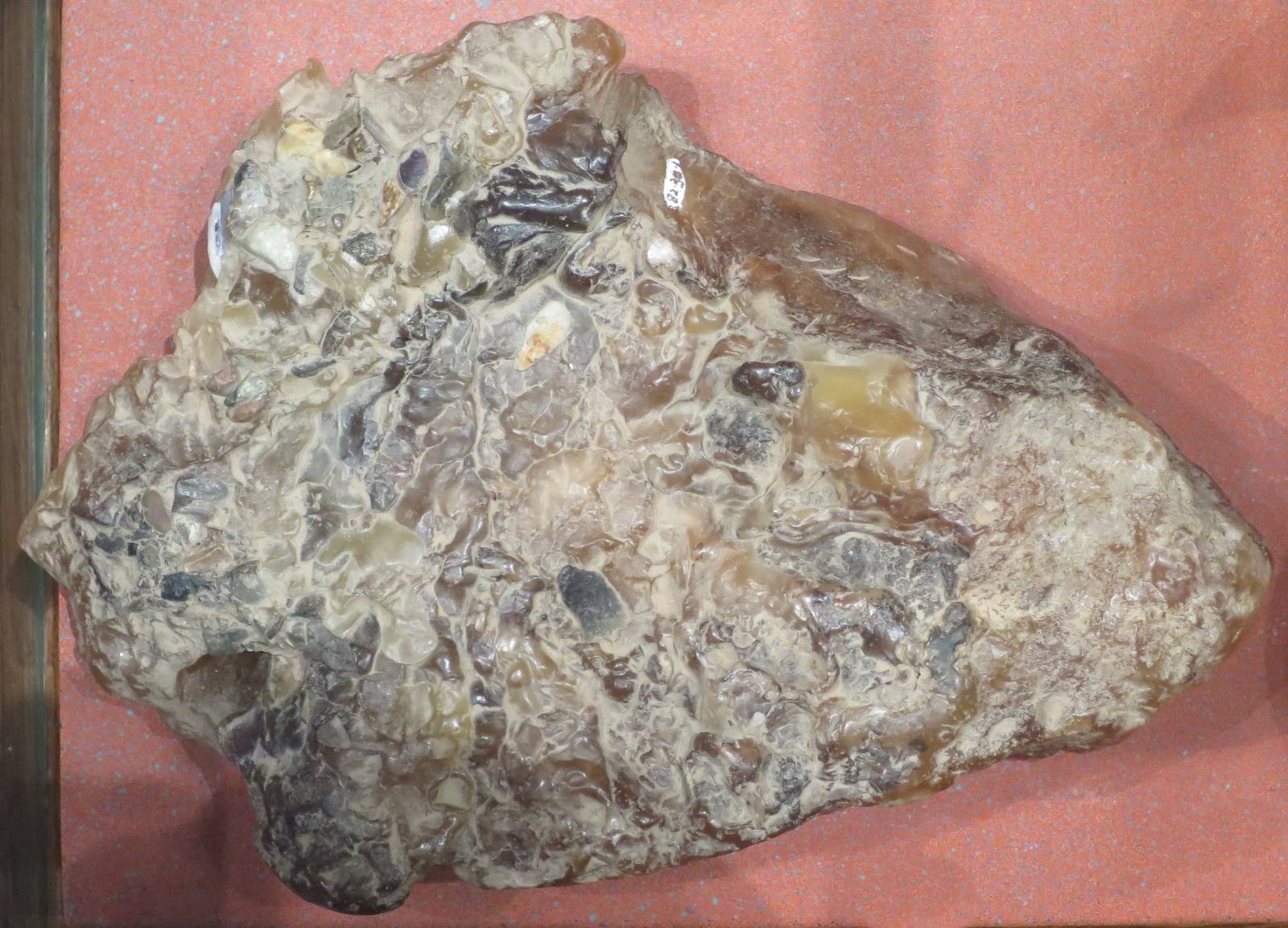
Fresh ambergris is nobody's perfume ingredient. The Australian account describes newly released material as black and sticky, and only time at sea makes it usable: floating on the surface, exposed to sun, air and salt water, it oxidises, hardens and pales, until it becomes the grey, waxy substance beachcombers hope for, sometimes still carrying squid beaks inside it. Recorded lumps range from a few grams to hundreds of kilograms. The material was known to come from sperm whales as early as 1724; the centuries before that traded it without knowing what it was.
Why perfumers wanted it
The whale conservation charity WDC explains the trade in one word: fixative. Ambergris holds scent on skin, slowing the departure of everything blended with it, and its own odour mellows as it ages at sea from something pungent toward a warm, musky sweetness. In the whaling centuries that combination made it precious. Whalers hunted sperm whales chiefly for oil, but a single animal carrying ambergris could pay a fortune on its own, and perfumers across Europe built the warm, tenacious character of their finest compositions on a material whose supply nobody could schedule, increase or even predict.
The law, by shoreline
WDC sets out the modern patchwork, and its starting point is a legal definition. CITES, the convention governing trade in endangered species, treats ambergris as an excretion, a waste product comparable to urine or faeces, and therefore not a whale part covered by the convention. On that basis it remains legal in the United Kingdom and across the European Union to collect beach-cast ambergris and sell it. The position reverses in the United States, where sperm whales are protected under the Endangered Species Act of 1973 and possession or trade is banned, and in Australia, where the regulator counts ambergris as a whale product and its import and export are controlled under Part 13A of the Environment Protection and Biodiversity Conservation Act 1999. Same lump, same beachcomber, three different legal answers.
After the whale
Modern perfumery has mostly stopped waiting for the sea. Synthetic and semisynthetic amber materials, ambrox among them, reproduce the warm, radiant effect of aged ambergris from feedstocks such as clary sage, at a price and consistency the natural material never offered. Houses that once competed for beach-cast lumps now buy the effect by the drum. What the natural material keeps is its story, and its scarcity: formed in a small minority of whales, finished by years of weather, found by chance. Found, not made. No other note in the organ can say that, and it is why ambergris holds its place in the imagination long after the industry learned to live without it.