Culture
Scent and Memory: What Science Actually Says
The madeleine moment is real, but the science of smell and memory is subtler and more interesting than the legend.

The madeleine moment is real, but the science of smell and memory is subtler and more interesting than the legend.
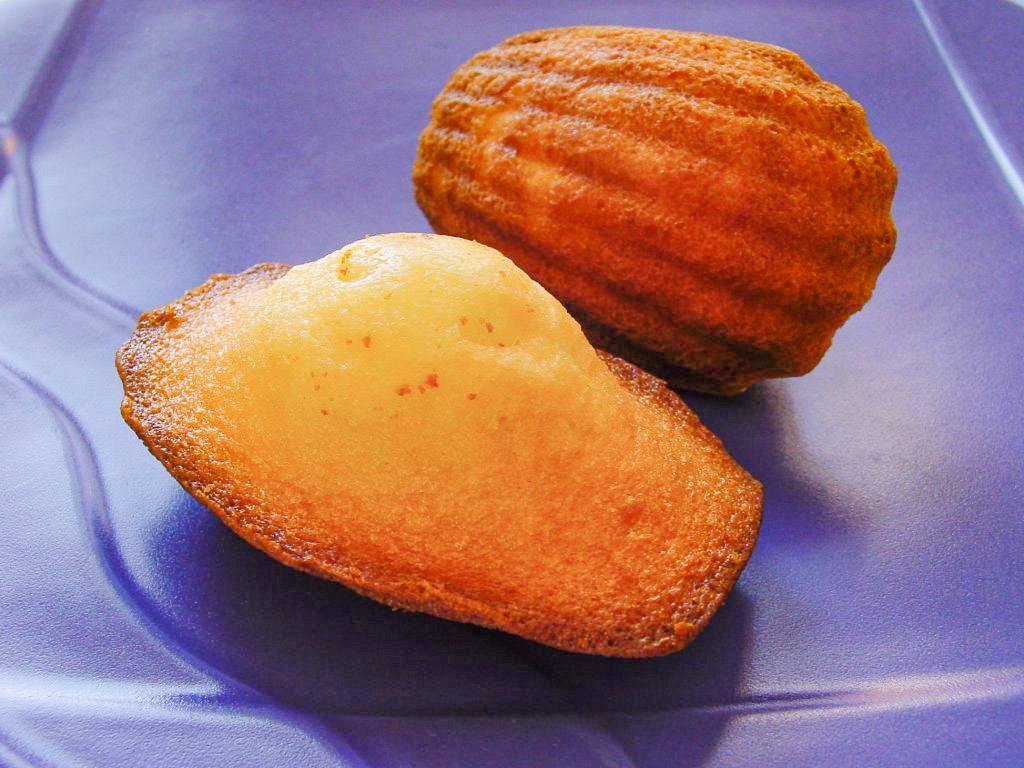
It is the most quoted scene in the literature of scent. Marcel Proust, dipping a madeleine into tea, is ambushed by a childhood he thought he had lost. "No sooner had the warm liquid mixed with the crumbs touched my palate than a shudder ran through me and I stopped, intent upon the extraordinary thing that was happening to me." A century later, psychologists gave the moment a name: the Proust phenomenon. The question is whether the science earns the poetry.
The short answer is that research suggests something close to the legend, with important qualifications. The clearest demonstration came in 2002, when Rachel Herz and Jonathan Schooler published a study in the American Journal of Psychology comparing memories triggered by odors, words, and photographs. Their finding was not that smells unlock more memories. It was that the memories they unlock feel different. Odor-evoked memories were rated significantly more emotional than memories triggered by the same cues presented visually or verbally, and participants reported feeling more "brought back" to the original event.
A decade earlier, Herz had gone further in characterizing the phenomenon. In a 1992 paper with Gerald Cupchik in the journal Chemical Senses, she and her co-author asked volunteers to rate twenty odors and note any personal memory each one stirred. The results read like a vindication of folklore: odor-evoked memories tended to be highly emotional, vivid, specific, rare, and relatively old. The most familiar odors evoked the most memories. And strikingly, nearly a third of the memories surfaced without the person being able to name the odor at all, which suggests that scent-linked memory does not need language to do its work. The most quoted passage in the literature of scent is the one Proust wrote in In Search of Lost Time:
No sooner had the warm liquid mixed with the crumbs touched my palate than a shudder ran through me and I stopped, intent upon the extraordinary thing that was happening to me. (Marcel Proust, In Search of Lost Time, 1913)
Neuroscientists often point to anatomy. The olfactory bulb, which processes smell, sits in direct conversation with the amygdala and the hippocampus, the brain's centers for emotion and memory. Every other sense routes its first report through the thalamus, a kind of central switchboard. Smell has a shorter path. This wiring is frequently cited as one reason odors reach emotional memory so directly, though researchers are careful to say it is only part of the story.
The other part is how smell memories are formed. Unlike a photograph you studied deliberately, a scent memory is usually encoded without your permission. The smell of a classroom, a kitchen, a grandparent's coat was never rehearsed. It simply arrived, repeatedly, while life happened around it. Because these associations were never verbalized, they also resist the editing that language performs on other memories. Herz's later work, published in the journal Chemosensory Perception with colleagues at the Kao Corporation, found that fragrances evoking potent personal emotional memories were preferred over equally pleasant scents that triggered none, which hints at why certain perfumes feel less like products and more like possessions.
The industry has been paying attention for years. In the study Herz conducted with colleagues at the Kao Corporation, published in the journal Chemosensory Perception, 271 women used four scented body lotions for a week and rated them for pleasantness, intensity, familiarity, and the degree to which each evoked personal memories. The result was commercially pointed: lotions whose fragrance triggered potent personal emotional memories were liked more and judged superior in performance to equally pleasant lotions that triggered none. The degree of the Proustian memory predicted the degree of liking.
This is why heritage brands trade so openly in nostalgia, and why a new launch so often reaches for a note your grandmother wore. It is not manipulation so much as alignment. A fragrance that hooks into an existing emotional archive does not have to build its meaning from scratch. The wearer brings the meaning with them. The bottle just holds the door open.
Here is where the careful reader earns their keep. The landmark studies are small, often a few dozen volunteers, and they measure subjective ratings: how emotional, how vivid, how much "like being there." That is honest science, but it is not a brain scan of the past. Other research has found that odor-evoked memories, while feeling richer, are not more factually detailed than memories summoned by other cues. The feeling of being transported is real and measurable. The accuracy of the destination is not.
There is also the matter of individual difference. Not everyone is moved the same way. Women in the 1992 study described more emotionally intense and clearer memories than men, a pattern that has recurred in later work. Age, culture, and simple exposure all shape the archive. A scent can only return you somewhere if you were there first.
None of this diminishes the phenomenon. It refines it. What the research supports is a precise and rather beautiful claim: of all the senses, smell is the most likely to return a memory as a feeling rather than as a fact. The madeleine did not give Proust a clearer past. It gave him a more present one. That, it turns out, is exactly what the laboratory keeps finding too.
One letter each week: what mattered in perfumery, and what to smell next.
Free. Unsubscribe anytime.