Houses
Kenz de Rasasi: Dubai Opens the Family Vault
At Beautyworld Middle East, Rasasi unveiled a new luxury house built entirely from its own archive: eight collections, reworked from formula to flacon.
At Beautyworld Middle East, Rasasi unveiled a new luxury house built entirely from its own archive: eight collections, reworked from formula to flacon.
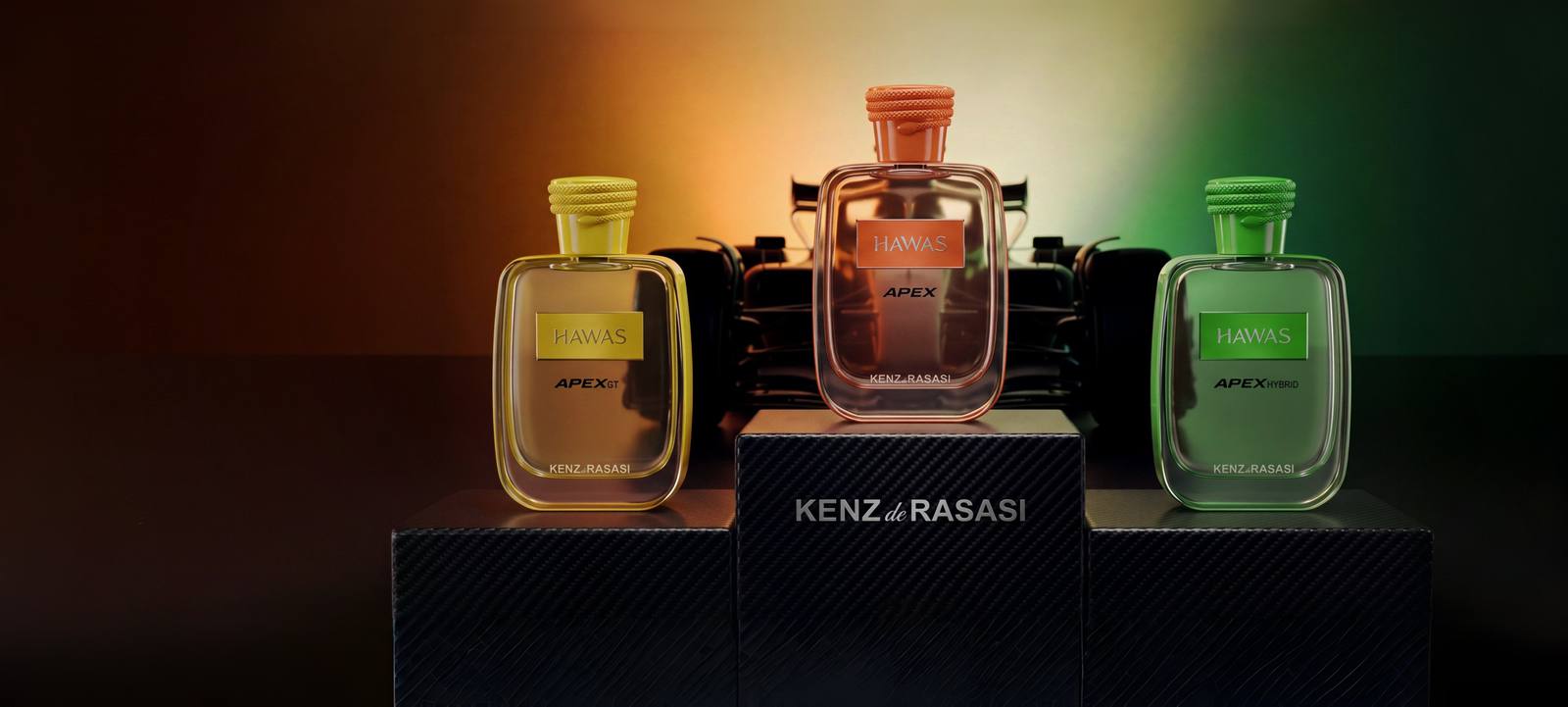
Every old perfume house sits on the same temptation: an archive of formulas that built its name, and a new generation of customers who have never smelled them. At Beautyworld Middle East in Dubai this month, Rasasi answered the temptation with unusual completeness. Rather than reissuing a fragrance or two, the Dubai house unveiled an entire new maison, Kenz de Rasasi, constructed from its own back catalogue. Eight collections were presented at the official unveiling on 6 October, each one a heritage line reconsidered for the present: formula, bottle, packaging and story all reworked at once.
The name carries the concept. Kenz means treasure in Arabic, and the house styles itself, in full, as the treasures of Rasasi. The project was conceptualised and creatively driven by Anis Abdul Razzak, owner of Rasasi Perfumes and chairman of AAR Group, and the unveiling at the Dubai World Trade Centre was staged as a regional event, with the actor Salman Khan joining Razzak at the booth as chief guest. Beautyworld Middle East, which ran from 6 to 8 October, is one of the fragrance industry's principal trade fairs, and the choice of venue made the intended audience plain: this was a debut addressed to the trade and the region first, and to the wider world second.
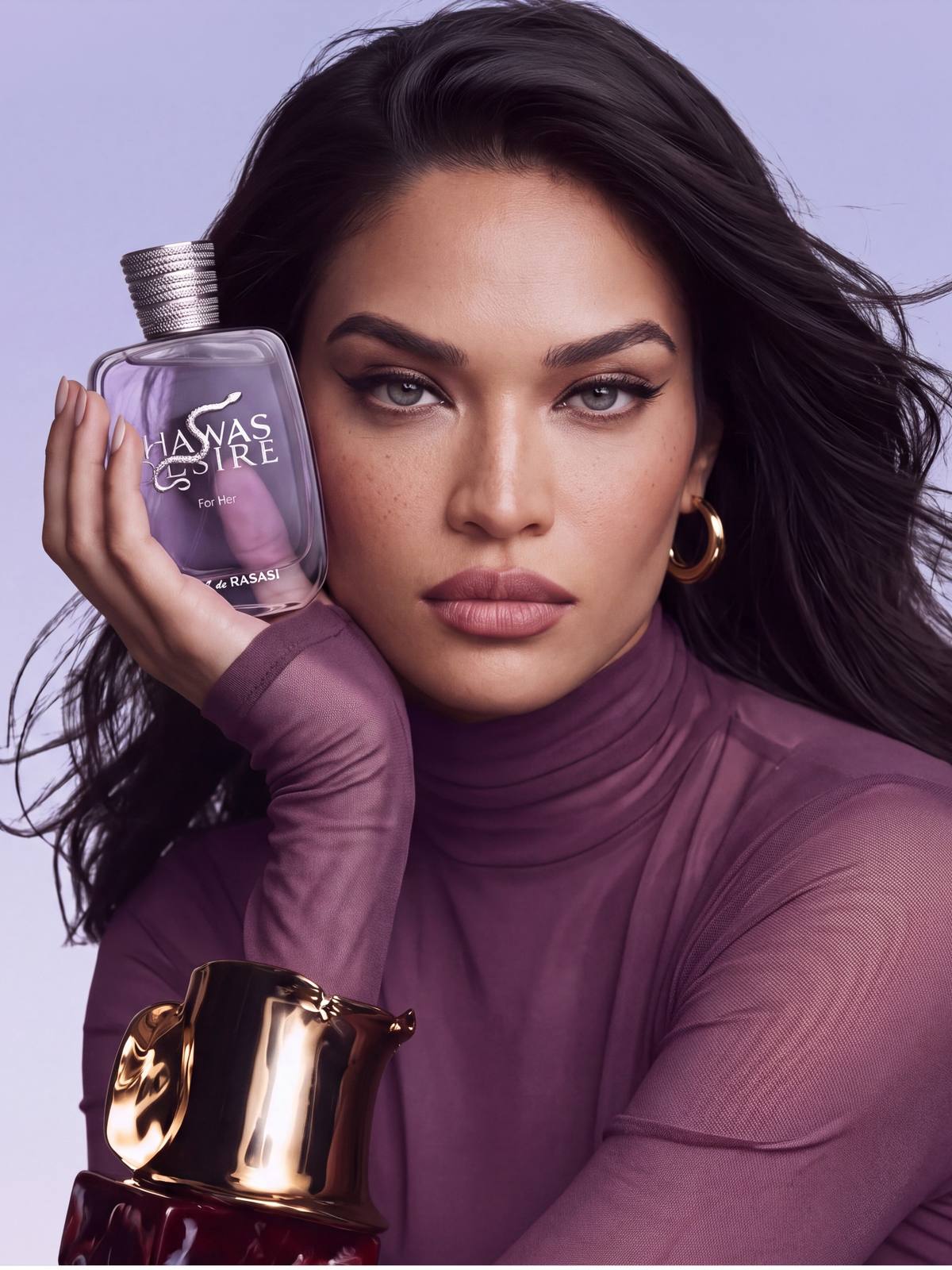
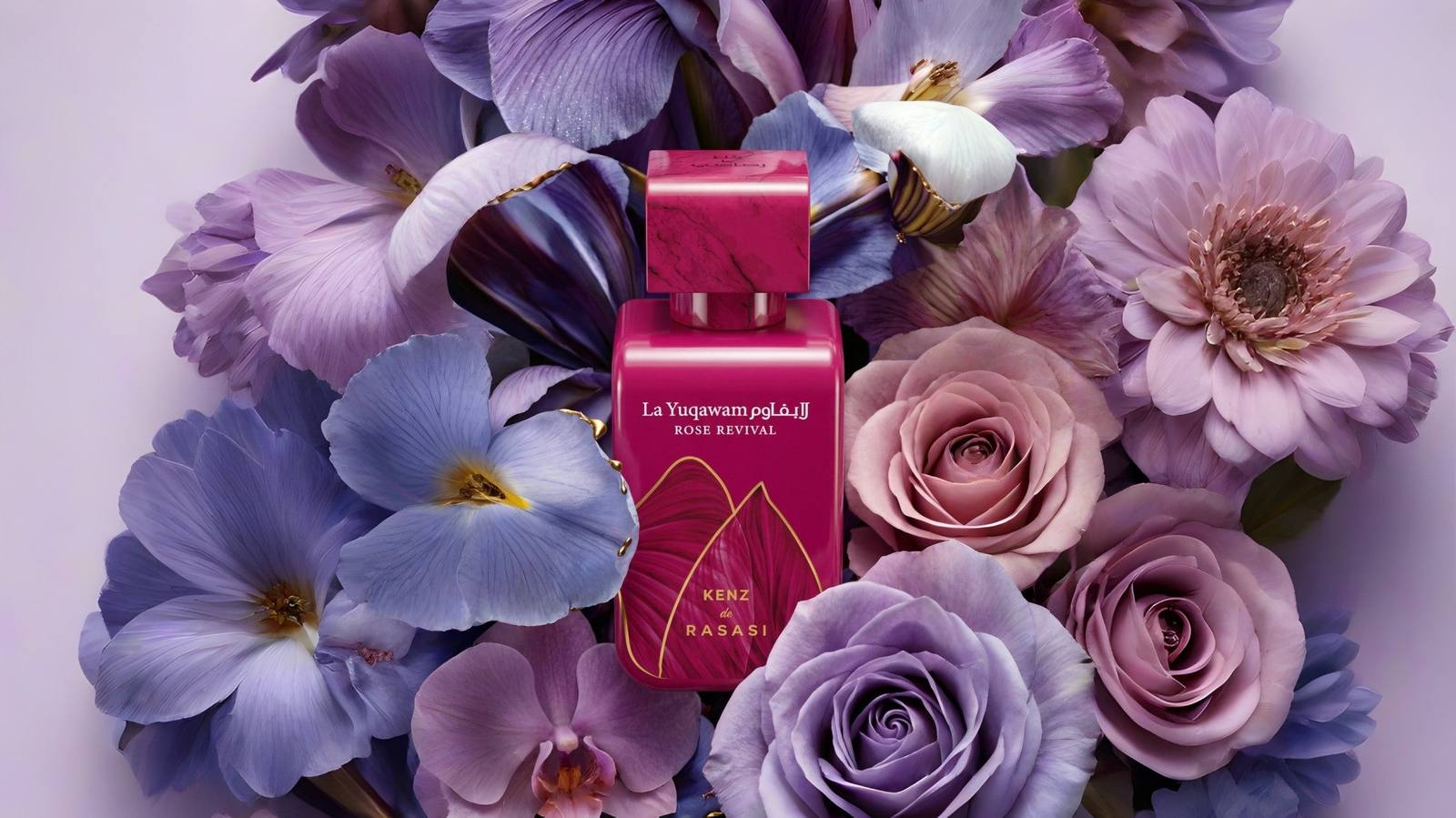
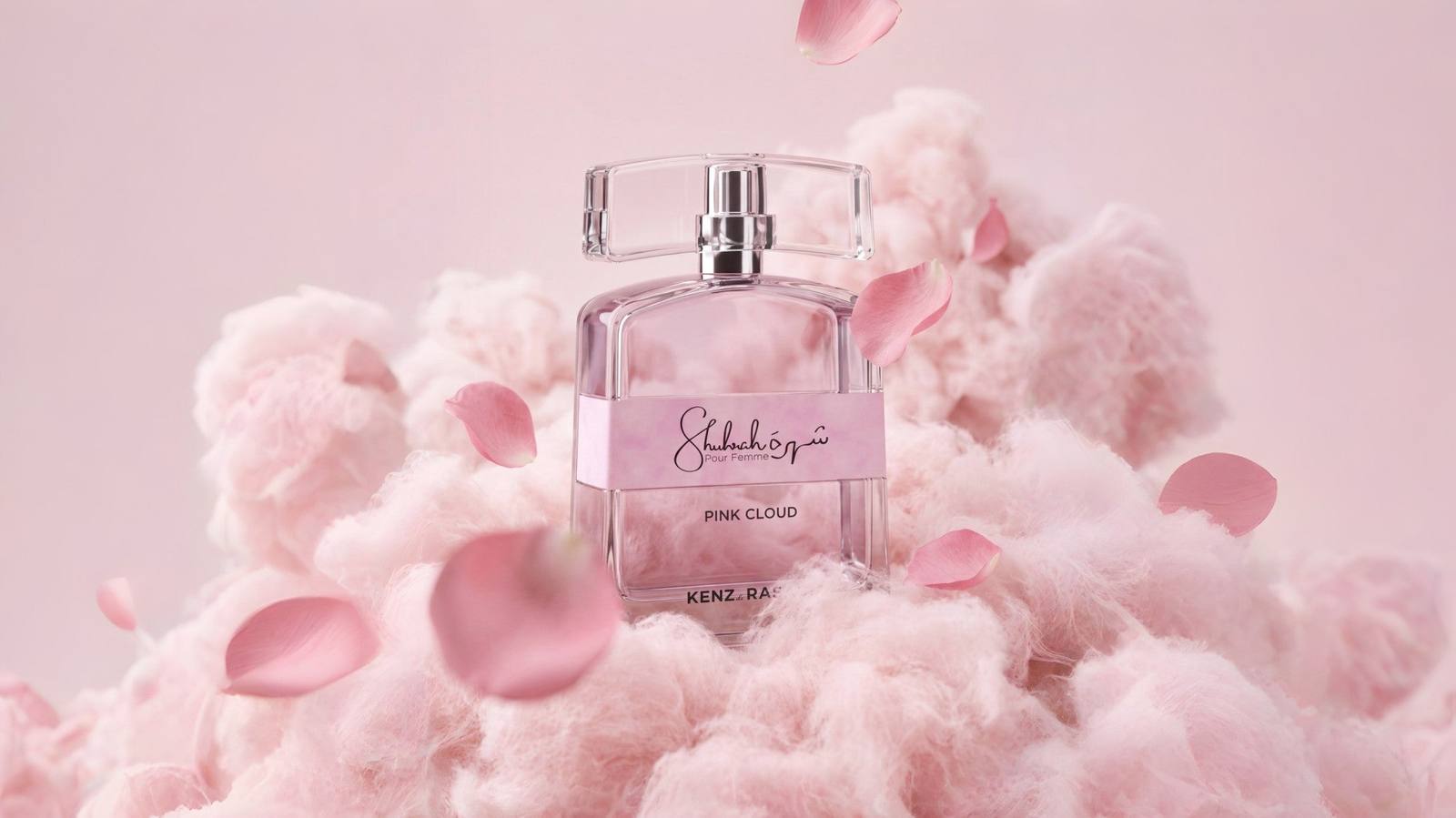
The eight collections span the breadth of the Rasasi back catalogue. Three extend the Hawas universe, the line that carried the house far beyond the Gulf: Beyond Hawas, Hawas Apex and Hawas Desire. La Yuqawam Terrabotanica reworks the house's leather-led prestige line around a botanical register. Daareej, Shuhra and Rimal return three further archive names, and a Tobacco collection completes the set. The house describes the method consistently across all eight: selected creations from its past, reconsidered rather than reproduced, with custom bottle redesigns, elevated materials and tactile packaging carrying the reinterpretation.
That last point is where archive projects usually fail, and where this one is most deliberate. A heritage relaunch can change the bottle and keep the juice, or change the juice and keep the story, and customers who loved the original can tell the difference in one spray. Kenz de Rasasi states openly that everything was on the table: fragrance and formulation alongside design and storytelling. The honesty of that position is the brand's best protection. Nothing here is sold as the old scent in a new coat. It is sold as a new house reading an old library.
The wider significance is regional. For decades, Gulf perfumery supplied the world's oud, its attars and its briefs, while the canon of houses that mattered was written in Paris and Grasse. A Dubai house opening its own archive, on a Dubai stage, and presenting the result as luxury for a global customer describes a market that now treats its own heritage as the raw material of prestige. The audience for that argument is young, regional and increasingly international, and the house says plainly that its ambition is quality and elegance at an accessible level of luxury, a positioning the Gulf's own brands have made their signature.
Execution will decide whether the treasures travel. The house's own store already lists the full collection architecture, with several lines, including Hawas Apex and Hawas Desire, marked as available soon at the time of the debut, a sign that the unveiling ran ahead of retail by design: the trade first, the shelf second. What Beautyworld saw, though, was complete in the ways that matter at a fair. Eight collections, a coherent design language, an archive treated as capital rather than nostalgia.
Rasasi has been part of Dubai's perfume trade for long enough that its archive is, in effect, a chapter of the city's own commercial history. Kenz de Rasasi is the moment that chapter gets an editor. The treasures were always in the vault. The news from Dubai is that the vault now has a door, a name and eight collections walking out of it.
The test that follows is the one every archive house eventually faces, in Dubai as in Paris: whether new customers meet these scents as discoveries rather than as homework. The Kenz presentation is built to pass that test. Nothing in the eight collections asks to be admired as history before it is worn as perfume, and the reworked flacons and tactile packaging speak the visual language of the current luxury shelf rather than of a museum case. If the formulas honour that same principle, treating the archive as a starting point instead of a shrine, the treasures of Rasasi will not need their pedigree explained. They will simply smell current, with a longer memory than most.
One letter each week: what mattered in perfumery, and what to smell next.
Free. Unsubscribe anytime.