Houses
Fine Fragrance Lifts Givaudan Past Every Forecast
The Swiss giant's third quarter beat the consensus it had compiled by nearly four points, and the engine was the division the whole perfume industry buys from.
The Swiss giant's third quarter beat the consensus it had compiled by nearly four points, and the engine was the division the whole perfume industry buys from.
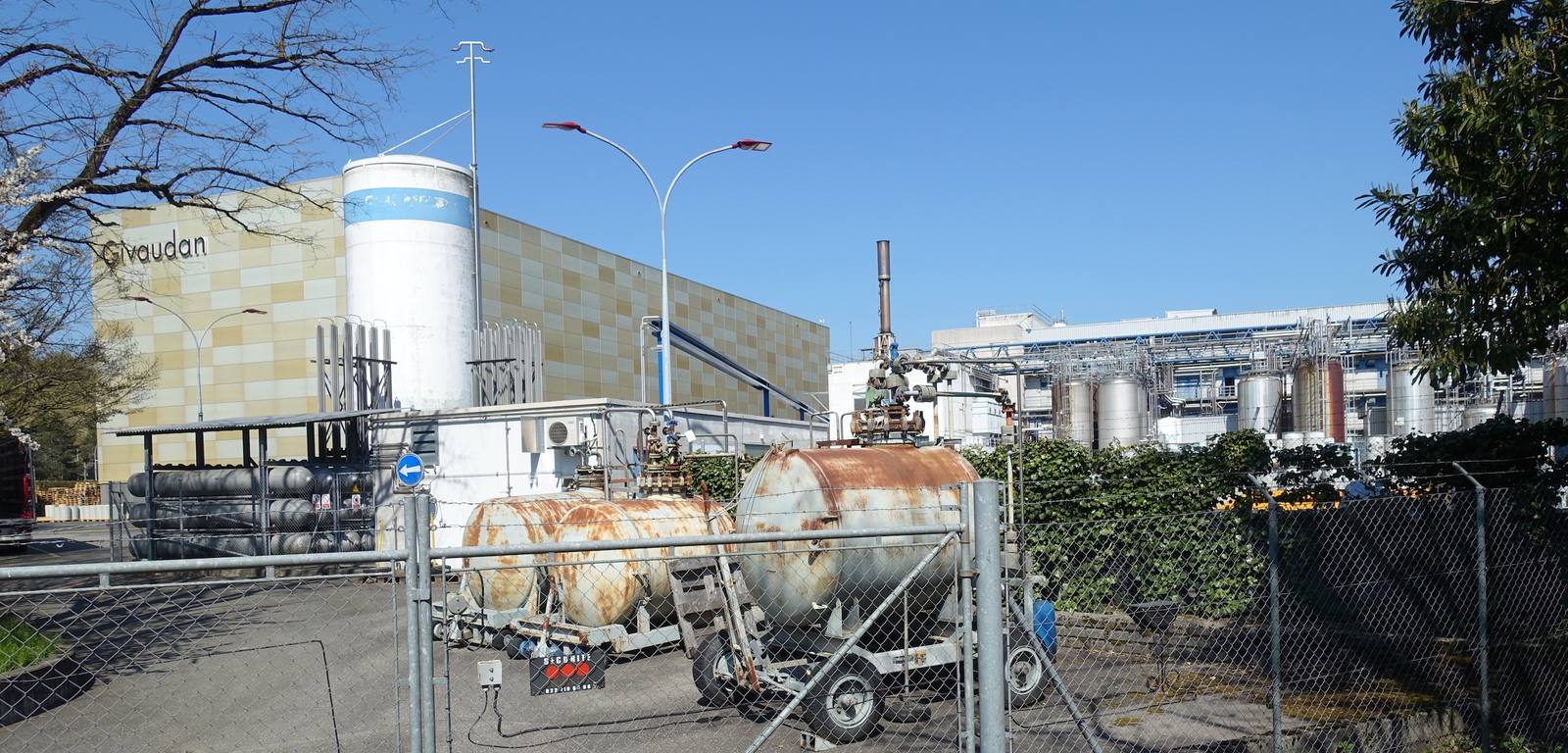
Most of the perfume world does not sell perfume. It sells the ingredients, the accords and the finished formulas that other names put into bottles, and on Tuesday morning the largest of those suppliers showed how strong the trade underneath the trade has become. Givaudan, the Swiss flavours and fragrances group headquartered at Vernier outside Geneva, reported third-quarter sales of CHF 2.09 billion, up 8.6 percent on a like-for-like basis against the same quarter a year earlier. The company-compiled consensus of analyst forecasts had expected 4.7 percent. The gap between those two numbers is the story: fine fragrance is not cooling. It is accelerating.
The detail sits inside the divisional split. Fragrance and Beauty, the side of the group that supplies fine fragrance, cosmetics and consumer products, grew 13.5 percent like-for-like in the quarter. Taste and Wellbeing, the flavours side, grew 3.5 percent. Givaudan attributed the fragrance division's momentum to sustained strong growth in fine fragrances and in consumer products, the two categories that sit closest to the prestige perfume counter. For the first nine months of the year, group sales reached CHF 5,891 million, up 5.2 percent like-for-like and 2.6 percent in Swiss franc terms. Fragrance and Beauty contributed CHF 3.15 billion of that total, up 8.8 percent like-for-like, against CHF 2.74 billion from Taste and Wellbeing, up 1.5 percent.

The quality of the growth matters as much as its size. Analysts at Bernstein, in a note reported by the Wall Street Journal, described the quarter's growth as exceptionally strong and mainly driven by volumes, with a minimal effect from pricing. That distinction is the one perfumers should care about. Growth built on price rises can be a warning sign in a luxury market, because it can mask falling unit demand. Growth built on volume means more briefs won, more formulas shipped and more finished fragrance moving through the supply chain toward counters and shelves. The market read it the same way: Givaudan shares rose about 6.5 percent in Tuesday morning trading in Zurich, and shares in rival houses moved up in sympathy, on the logic that demand this broad rarely belongs to one company alone.
Context explains why a single supplier's quarter carries this much weight. Givaudan is the world's largest company in the flavour and fragrance industry, and its creations are usually developed for clients under confidentiality agreements, which means its order book functions as a private census of what the visible industry intends to launch. When its fine fragrance business grows at a double-digit pace, the launches behind that growth are already formulated, already costed and largely already committed. The perfumes that will fill the counters of 2027 are, in meaningful part, visible in this quarter's numbers.

The company behind the numbers is older than most of its clients. Givaudan was founded as a perfumery company in Zurich in 1895 by Léon and Xavier Givaudan, and moved to Geneva in 1898, building the factory at Vernier that still anchors the group. Its perfumery school, opened in 1946, is credited with training a third of the world's creative perfumers, a statistic the industry repeats because the alumni lists keep proving it plausible. The group now works through two divisions, the same Taste and Wellbeing and Fragrance and Beauty whose diverging growth rates defined this quarter.
Management held its medium-term course while reporting the beat. The group's stated targets through its 2030 strategy cycle remain average like-for-like sales growth of 4 to 6 percent and adjusted free cash flow above 12 percent of sales. A nine-month growth rate of 5.2 percent sits inside that band; a third quarter at 8.6 percent sits well above it. The open question for the rest of the year is not whether fine fragrance demand exists, but whether the fourth quarter can hold anything close to the third quarter's pace against harder comparisons.
For readers of this journal, the lesson of the quarter is structural. The prestige end of perfumery is often discussed as a matter of taste: of houses, noses and marketing. Givaudan's numbers describe the layer beneath the taste, where growth is measured in tonnes and briefs rather than in campaigns. That layer just reported its strongest quarter of the year, powered by the very category this publication exists to cover. The flacons on the counter are the visible tenth of the business. The other nine tenths just had an excellent morning in Zurich.
One letter each week: what mattered in perfumery, and what to smell next.
Free. Unsubscribe anytime.