Houses
Bon Parfumeur Turns the Dial to Forty Percent
Three new elixirs at the highest concentration in the house's history take the Paris atelier from numbered everyday scents into full luxury territory.

Three new elixirs at the highest concentration in the house's history take the Paris atelier from numbered everyday scents into full luxury territory.
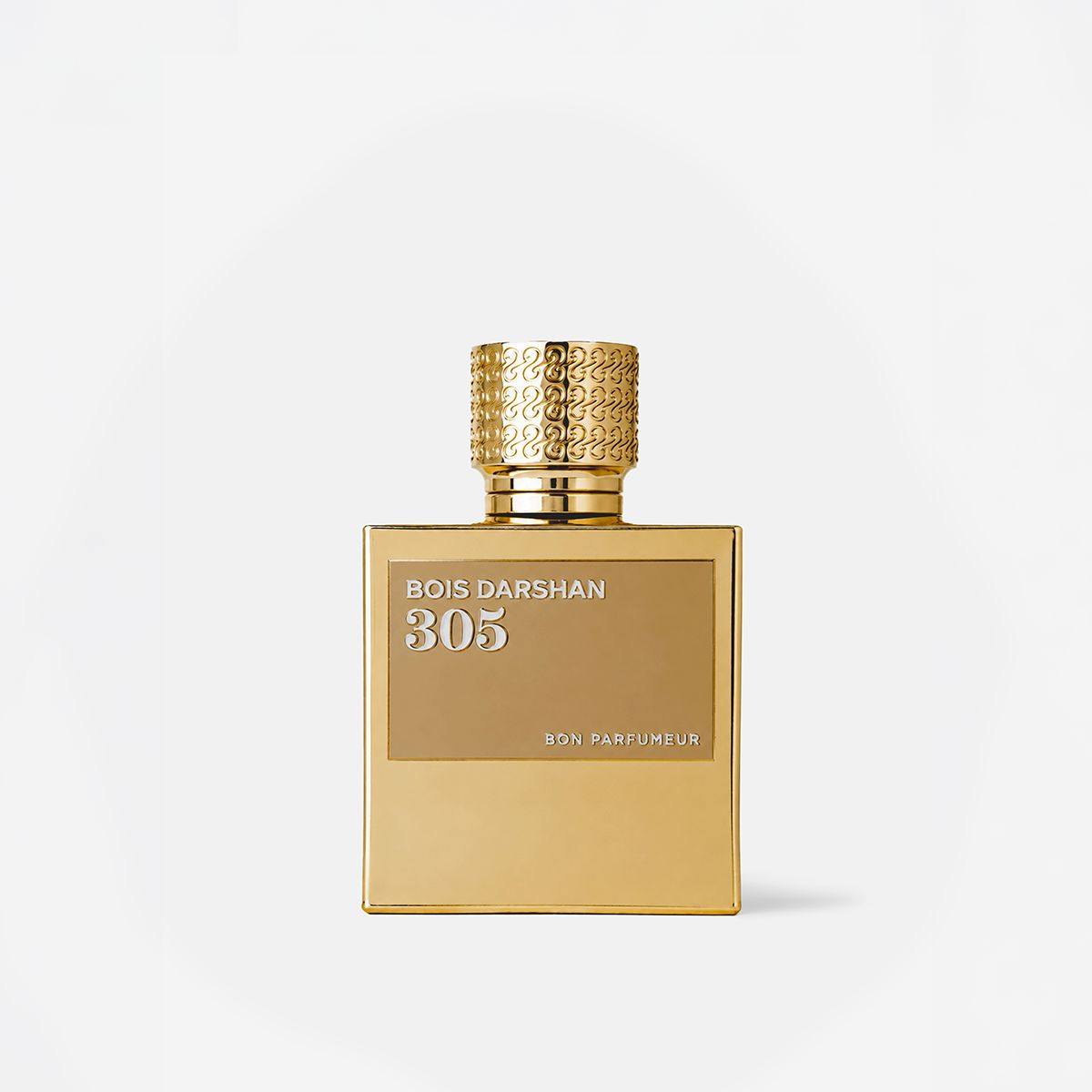
Bon Parfumeur built its name on a democratic idea: numbered bottles, transparent note lists and prices that treated fine perfumery as a wardrobe rather than an heirloom. This month the Paris house founded by Ludovic Bonneton stepped deliberately upmarket. Its new Elixir Collection presents three fragrances at 40 percent concentration, presented by the house as the highest it has ever produced, and priced at $290 each on its United States store. The flacons make the argument before the juice does: the familiar numbered architecture has been recast in polished gold, cap and all.
Concentration is perfumery's bluntest instrument, and the most misunderstood. Doubling the share of perfume oil in a formula does not simply make a scent louder. It changes the balance of the composition, thickening the base, extending the drydown and forcing the perfumer to rebuild accords that behaved politely at eau de parfum strength. A house that moves to 40 percent is making a claim about material quality as much as power, because at that density there is nowhere for a thin ingredient to hide. Bon Parfumeur is explicit that the elixirs push each formula to a fuller expression, darker and denser than its existing extraits.
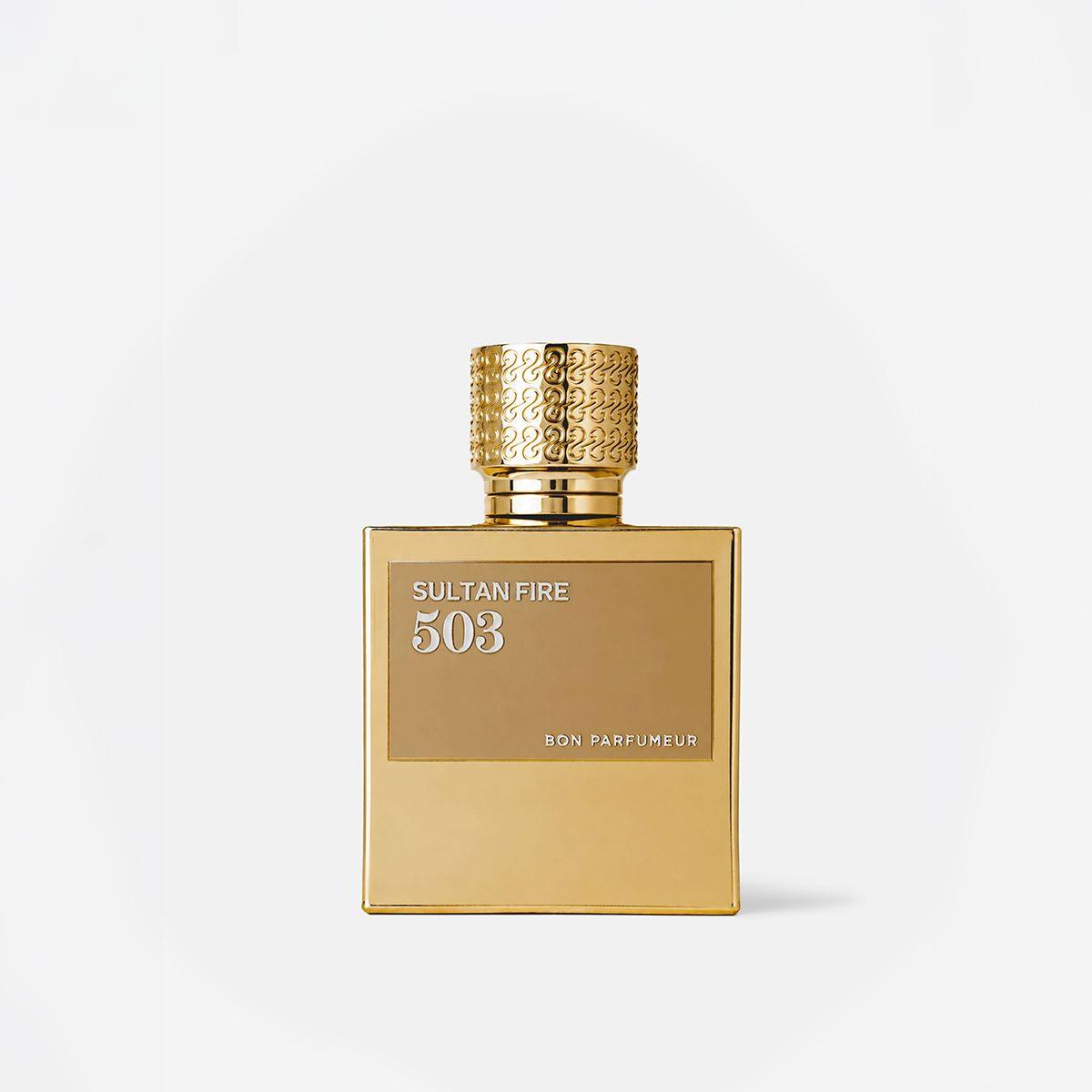
Each elixir is a travel piece, and each was given to a different perfumer. 305 Bois Darshan, by Miroslav Petkov, looks toward Kerala and the golden light of India. Its published note list opens on a guava accord against Guatemalan cardamom, moves through Spanish cistus and North African rosemary, and settles on a base of oud from Laos and Vietnam with Indonesian patchouli and Spanish labdanum cistus. The architecture is a study in contrast: fruit and spice held over resin and dark wood, freshness and depth in the same breath.
503 Sultan Fire, by Jean-Christophe Hérault, is the gourmand of the trio, drawn from Istanbul at night. Saffron, Somali olibanum and Madagascar black pepper open the composition; a green hazelnut accord with Indian jasmine sambac and Madagascar cinnamon forms the heart; Chinese osmanthus, Indonesian gurjun balsam and Java vetiver close it. 604 Noir Atlas, by Karine Dubreuil-Sereni, turns to the Atlas mountains and the charged stillness of the desert before a storm. The house's own note list gives pink peppercorn, black cherry, blackcurrant and lychee at the top, davana with Turkish rose and orange blossom absolutes at the heart, and a base of fig milk accord, sandalwood and two cedars, Atlas and Virginia.
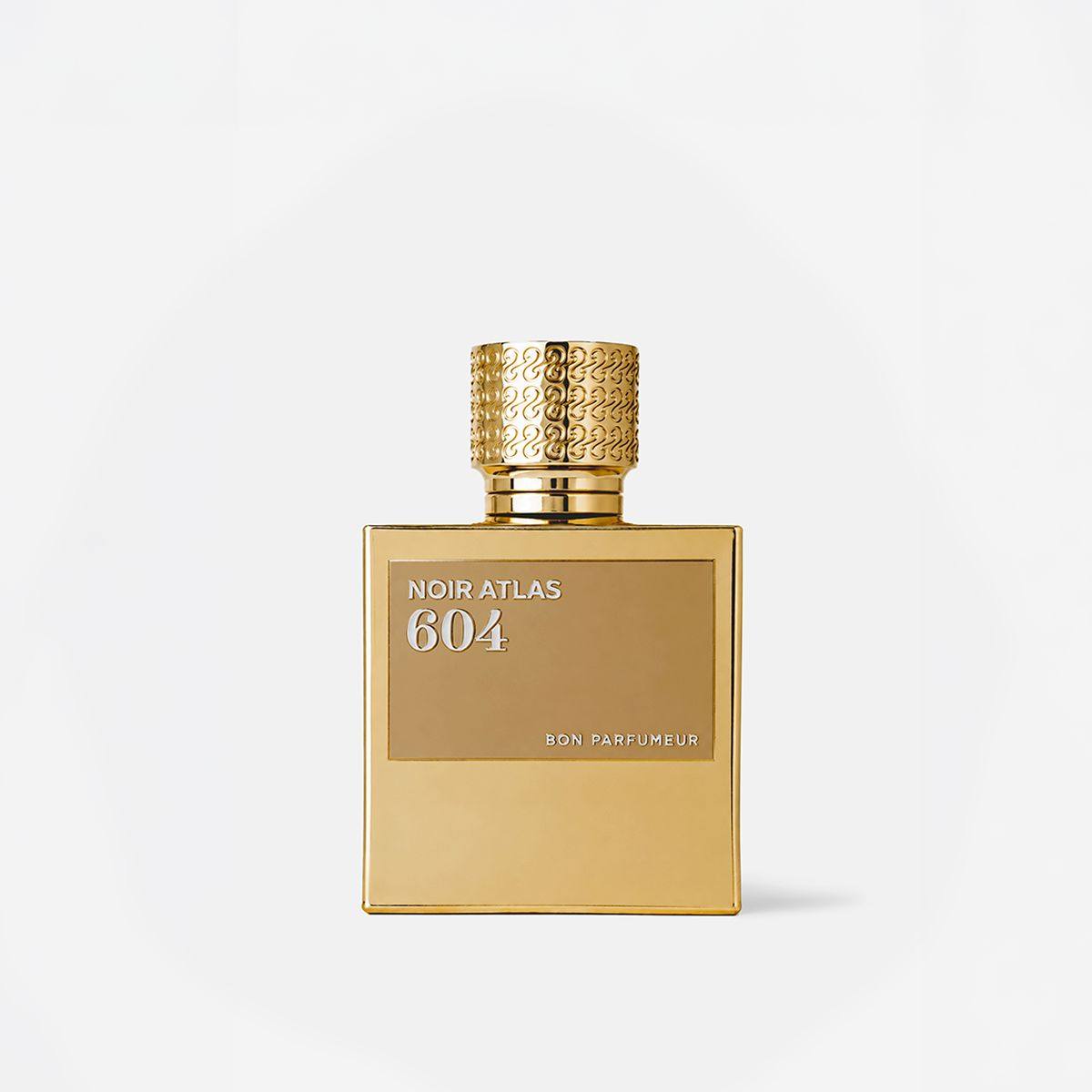
The strategic reading is hard to miss. The numbered main line made Bon Parfumeur a fixture of the affordable niche shelf, the segment where discovery sets and 30 ml bottles recruit new wearers. The elixirs recruit a different customer, or graduate the existing one: $290 is prestige pricing, in direct sight of the heritage houses. The gold flacon, the named perfumers, the origin-specific materials in the note lists, all of it speaks the dialect of luxury rather than of the workshop.
There is a risk in that translation, and the house appears to know it. Its founding promise was legibility: a number, a family, three notes on the label. The elixirs keep the numbers and keep the note lists public, in full, down to the origin of the pepper. What changes is the register of the materials and the density of the juice. Whether wearers who arrived for transparency will follow the house up the price ladder is the commercial question of the season. The perfumery question is simpler, and the collection answers it on its own terms: at 40 percent, with perfumers of this calibre given materials of this specificity, the formulas have room to be genuinely opulent rather than merely strong.
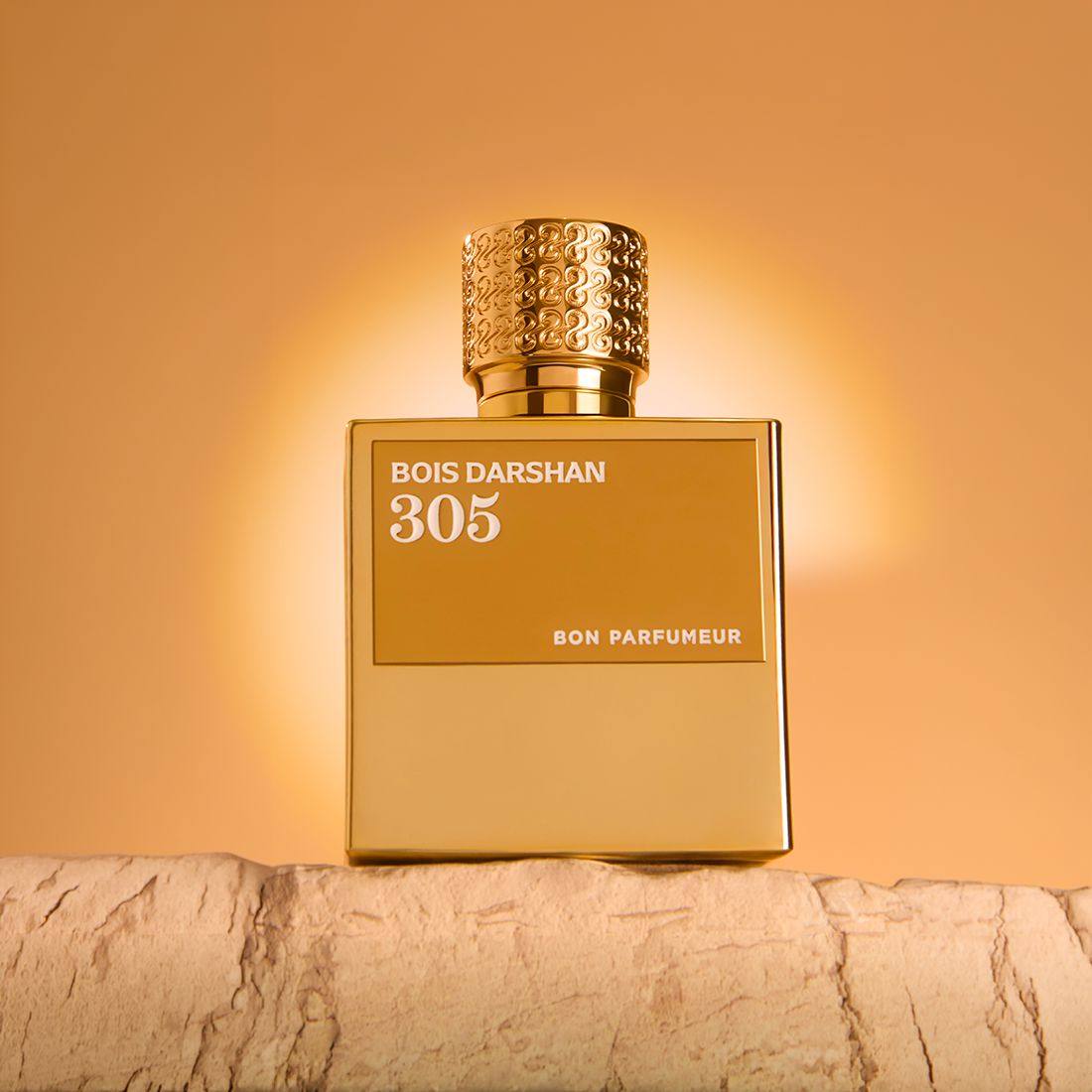
The elixirs also land in a market that keeps rewarding intensity. Across the industry this autumn, the growth is at the concentrated end: extraits, elixirs and oils, formats that justify their prices on the skin over hours rather than in the first spray. Bon Parfumeur's wager is that its audience, trained by the numbered line to read a note list the way wine drinkers read a label, is ready to pay for what the top of that list can do. Three bottles, three perfumers, one unmistakable change of altitude.
There is also a quieter craft point in the choice of three unrelated journeys rather than one theme in three strengths. Kerala, Istanbul and the Atlas give each perfumer a separate climate to solve for: humidity and spice, night heat and sweetness, dry air and stone. At elixir concentration those climates have to survive in the base for hours, which is why the note lists lean so heavily on resins, woods and absolutes that hold their character under density. The collection reads less like a line extension than like a small atlas, bottled at full strength.
One letter each week: what mattered in perfumery, and what to smell next.
Free. Unsubscribe anytime.